October 15th, 2026
Seven trends reshaping managed technology services in 2027 - margin mix, AI economics, security defaults, pricing shifts, and how MTSPs should plan now.
Read Full Story »
Posted in: MSP Business Strategy
October 1st, 2026
Sales training for IT service providers: build a repeatable sales process, coach your team, and exceed your revenue targets. See how TAG's program works.
Read Full Story »
Posted in: Training & Classes
September 15th, 2026
Elevate Your Operational Standards with TAG. Every managed technology services provider knows that growth without operational discipline quickly becomes chaos.
Read Full Story »
Posted in: MSP Business Strategy
September 1st, 2026
Understanding the Modern MTSP Business Model. The Managed Technology Services Provider (MTSP) business model has evolved dramatically over the past two decades.
Read Full Story »
Posted in: MSP Business Strategy
August 15th, 2026
The result? Profit margins that struggle to compete in an increasingly competitive marketplace. TAG National helps technology providers grow through education.
Read Full Story »
Posted in: Membership Benefits
August 1st, 2026
The managed services industry stands at a critical inflection point. TAG National helps technology providers grow through education and peer collaboration.
Read Full Story »
Posted in: MSP Business Strategy
July 15th, 2026
Yet many talented technologists struggle with the sales process, unsure how to effectively position solutions, overcome objections, or close deals consistently.
Read Full Story »
Posted in: Training & Classes
July 1st, 2026
For managed technology services providers, marketing often takes a backseat to service delivery and client management. Get the full story from TAG National.
Read Full Story »
Posted in: MSP Business Strategy
June 15th, 2026
For managed technology services providers (MTSPs), vendor relationships represent far more than simple supply chain connections. Learn more from TAG National.
Read Full Story »
Posted in: Strategic Partners
June 1st, 2026
The most successful MTSPs understand that culture represents a competitive advantage that competitors cannot easily replicate. Learn more from TAG National.
Read Full Story »
Posted in: Membership Benefits
May 15th, 2026
As we navigate through 2026, several critical trends are reshaping how MTSPs deliver value to their clients. Explore more member insights from TAG National.
Read Full Story »
Posted in: MSP Business Strategy
May 1st, 2026
Financial benchmarking provides the objective data you need to answer critical questions: Are your margins healthy? Is your revenue per employee competitive?
Read Full Story »
Posted in: MSP Business Strategy
April 15th, 2026
For managed technology service providers (MTSPs), effective sales training is the cornerstone of business growth and success. Learn more from TAG National.
Read Full Story »
Posted in: MSP Business Strategy
April 1st, 2026
The MTSP Business Model: Building Profitable Technology Partnerships. TAG National helps technology providers grow through education and peer collaboration.
Read Full Story »
Posted in: Strategic Partners
March 16th, 2026
In this article, we'll explore the critical role of KPIs in MTSP success and how to leverage them for optimal results. Get the full story from TAG National.
Read Full Story »
Posted in: MSP Business Strategy
March 2nd, 2026
In this article, we'll dive deep into the art of conducting effective SBRs and why they're crucial for MTSPs looking to excel in today's competitive landscape.
Read Full Story »
Posted in: Membership Benefits
February 17th, 2026
At Technology Assurance Group (TAG), we understand the importance of strong leadership in driving business growth and innovation. Learn more from TAG National.
Read Full Story »
Posted in: MSP Business Strategy
February 3rd, 2026
Staying ahead of the curve isn't just an advantage - it's a necessity. TAG National helps technology providers grow through education and peer collaboration.
Read Full Story »
Posted in: Events & Conferences
January 21st, 2026
At Technology Assurance Group (TAG), we understand that operational excellence is not just a buzzword - it's the cornerstone... Learn more from TAG National.
Read Full Story »
Posted in: MSP Business Strategy
January 2nd, 2026
Staying ahead of the competition requires more than just intuition and hard work. Learn more from TAG National about the strategies that move MSPs forward.
Read Full Story »
Posted in: MSP Business Strategy
December 18th, 2025
However, with this demand comes the need for a sophisticated, multi-faceted approach to sales. TAG National helps technology providers grow through education.
Read Full Story »
Posted in: MSP Business Strategy
December 3rd, 2025
In this article, we'll explore effective B2B lead generation strategies tailored specifically for MTSPs, helping you to fill... Learn more from TAG National.
Read Full Story »
Posted in: MSP Business Strategy
November 17th, 2025
The importance of fostering long-term relationships cannot be overstated. TAG National helps technology providers grow through education and peer collaboration.
Read Full Story »
Posted in: Strategic Partners
November 1st, 2025
At Technology Assurance Group (TAG), we've spent over two decades helping MTSPs navigate these turbulent waters. Read the full article for practical guidance.
Read Full Story »
Posted in: MSP Business Strategy
October 16th, 2025
That's why we're excited to introduce our cutting-edge Operations Training program, designed to empower your team and elevate your business to new heights.
Read Full Story »
Posted in: Training & Classes
October 2nd, 2025
This evolution has fundamentally changed what it means to be an effective technology manager. TAG National helps technology providers grow through education.
Read Full Story »
Posted in: MSP Business Strategy
September 16th, 2025
Embrace Technology and Automation. The first step in improving your sales process is to leverage technology and automation tools. Learn more from TAG National.
Read Full Story »
Posted in: MSP Business Strategy
September 1st, 2025
The TAG Difference: Experience-Driven Training. What sets TAG apart is our unique position in the industry. Explore more member insights from TAG National.
Read Full Story »
Posted in: Training & Classes
August 17th, 2025
TAG's 15-step proven sales process enables Members to excel at bringing technological solutions to their customers profitably. Learn more from TAG National.
Read Full Story »
Posted in: Training & Classes
August 1st, 2025
MDL Technology's COO recognized as a thought leader within the national Managed Technology Service Provider community. Get the full story from TAG National.
Read Full Story »
Posted in: Events & Conferences
July 25th, 2025
Topics to be discussed during this session:. Introduction To MTSP Economics-Terms And Business Philosophy. Fixed Price Contracts In Telephony & Surveillance.
Read Full Story »
Posted in: Training & Classes
July 12th, 2025
Strong client relationships aren't merely a 'nice-to-have' component of business - they're foundational to sustainable growth. Learn more from TAG National.
Read Full Story »
Posted in: MSP Business Strategy
June 25th, 2025
Implementing and managing endpoints at scale by using: Microsoft Intune. Microsoft Intune Suite. Windows Autopilot. See how TAG National members apply this.
Read Full Story »
Posted in: MSP Business Strategy, Training & Classes
June 3rd, 2025
TAG's 15-step proven sales process enables Members to excel at bringing technological solutions to their customers profitably. Learn more from TAG National.
Read Full Story »
Posted in: Training & Classes
May 29th, 2025
Business-to-business marketing has undergone a dramatic transformation in recent years. Explore more member insights and business education from TAG National.
Read Full Story »
Posted in: MSP Business Strategy, Membership Benefits
May 14th, 2025
Our Members and our Strategic Partners will engage in number of impactful presentations that will transform their businesses. Learn more from TAG National.
Read Full Story »
Posted in: MSP Business Strategy, Events & Conferences
May 7th, 2025
Browsers have become indispensable to modern business operations, yet their security has failed to keep pace. This gap has created a critical vulnerability.
Read Full Story »
Posted in: Strategic Partners
April 24th, 2025
Gone are the days when managers were merely tasked with overseeing operations and tracking performance metrics. Read the full article for practical guidance.
Read Full Story »
Posted in: MSP Business Strategy
April 13th, 2025
Understand how to gauge the operational health of your organization. TAG National helps technology providers grow through education and peer collaboration.
Read Full Story »
Posted in: Training & Classes
March 25th, 2025
Topics to be discussed during this session:. Introduction To MTSP Economics-Terms And Business Philosophy. Fixed Price Contracts In Telephony & Surveillance.
Read Full Story »
Posted in: MSP Business Strategy, Training & Classes
March 12th, 2025
The modern workplace has evolved far beyond the traditional employer-employee relationship. TAG National helps technology providers grow through education.
Read Full Story »
Posted in: Membership Benefits
February 20th, 2025
TAG's 15-step proven sales process enables Members to excel at bringing technological solutions to their customers profitably. Learn more from TAG National.
Read Full Story »
Posted in: Training & Classes
February 11th, 2025
Building the Foundation: Creating an Innovative Culture. The bedrock of innovation lies in organizational culture. See how TAG National members apply this.
Read Full Story »
Posted in: MSP Business Strategy
January 22nd, 2025
Effective lead generation is crucial for sustainable growth, particularly in the B2B sector. TAG National helps technology providers grow through education.
Read Full Story »
Posted in: MSP Business Strategy
January 14th, 2025
Since 1998, Technology Assurance Group (TAG) has been at the forefront of transforming how managed technology services providers (MTSPs) approach B2B sales.
Read Full Story »
Posted in: MSP Business Strategy
December 25th, 2024
Topics to be discussed during this session:. Introduction To MTSP Economics-Terms And Business Philosophy. Fixed Price Contracts In Telephony & Surveillance.
Read Full Story »
Posted in: Training & Classes
December 10th, 2024
In an increasingly digital world, personal connections have become more valuable than ever. TAG National helps technology providers grow through education.
Read Full Story »
Posted in: MSP Business Strategy, Strategic Partners
November 25th, 2024
In the ever-evolving landscape of technology services, one organization has stood as a beacon of excellence for over two decades. Learn more from TAG National.
Read Full Story »
Posted in: MSP Business Strategy
November 19th, 2024
TAG's 15-step proven sales process enables Members to excel at bringing technological solutions to their customers profitably. Learn more from TAG National.
Read Full Story »
Posted in: Training & Classes
October 23rd, 2024
Understand how to gauge the operational health of your organization. TAG National helps technology providers grow through education and peer collaboration.
Read Full Story »
Posted in: Training & Classes
October 8th, 2024
In the fast-paced world of business, the importance of fostering strong, enduring client relationships cannot be overstated. Discover more from TAG National.
Read Full Story »
Posted in: MSP Business Strategy
September 27th, 2024
As a leader, it's your responsibility to cultivate an environment that nurtures new ideas from within your organization. Cultivating an Innovative Mindset.
Read Full Story »
Posted in: MSP Business Strategy
September 10th, 2024
Let's explore the essence of KPIs and their significance for businesses across industries and sizes. Unveiling the Power of Key Performance Indicators (KPIs).
Read Full Story »
Posted in: MSP Business Strategy
August 27th, 2024
Topics to be discussed during this session:. Introduction To MTSP Economics-Terms And Business Philosophy. Fixed Price Contracts In Telephony & Surveillance.
Read Full Story »
Posted in: Training & Classes
August 12th, 2024
Azure Subscriptions Made Simple: Essential Tips for Success. Overview of Azure VM SKUs. Explore more member insights and business education from TAG National.
Read Full Story »
Posted in: Training & Classes
July 25th, 2024
Our Members and our Strategic Partners will engage in number of impactful presentations that will transform their businesses.. Learn more from TAG National.
Read Full Story »
Posted in: Events & Conferences
July 4th, 2024
TAG's 15-step proven sales process enables Members to excel at bringing technological solutions to their customers profitably. Learn more from TAG National.
Read Full Story »
Posted in: MSP Business Strategy
June 26th, 2024
This article explores effective strategies for management to encourage innovation and drive organizational change. See how TAG National members apply this.
Read Full Story »
Posted in: MSP Business Strategy
June 3rd, 2024
In today's highly competitive business landscape, measuring success is no longer an option but a necessity. Explore more member insights from TAG National.
Read Full Story »
Posted in: MSP Business Strategy
May 29th, 2024
B2B (Business-to-Business) marketing and sales involve the promotion and selling of products or services to other businesses, organizations, or institutions.
Read Full Story »
Posted in: MSP Business Strategy
May 11th, 2024
TAG's 15-step proven sales process enables Members to excel at bringing technological solutions to their customers profitably. Learn more from TAG National.
Read Full Story »
Posted in: Training & Classes
April 23rd, 2024
Class Location: Hilton Rosemont/Chicago O'Hare, 5550 North River Rd, Rosemont, IL 60018. Explore more member insights and business education from TAG National.
Read Full Story »
Posted in: Events & Conferences
April 6th, 2024
Attendees of all ages will learn the following:. Rewards, Opportunities, & Challenges of Running a Business. Explore more member insights from TAG National.
Read Full Story »
Posted in: Training & Classes
March 22nd, 2024
Topics to be discussed during this session:. Introduction To MTSP Economics-Terms And Business Philosophy. Fixed Price Contracts In Telephony & Surveillance.
Read Full Story »
Posted in: MSP Business Strategy
March 12th, 2024
They oversee more than just product development, task completion, and employee output. Explore more member insights and business education from TAG National.
Read Full Story »
Posted in: MSP Business Strategy
February 22nd, 2024
Key Performance Indicators (KPIs) serve as the compass guiding businesses towards their objectives. Learn more from TAG National about growing your business.
Read Full Story »
Posted in: MSP Business Strategy
February 10th, 2024
This blog will explore QBRs, why they are essential for businesses, and how they can propel your organization toward success. Learn more from TAG National.
Read Full Story »
Posted in: MSP Business Strategy
January 16th, 2024
Engage your audience through webinars, podcasts, and interactive content - variety is the spice of B2B life. Most businesses believe this is the key to success.
Read Full Story »
Posted in: MSP Business Strategy
January 10th, 2024
TAG's 15-step proven sales process enables Members to excel at bringing technological solutions to their customers profitably. Learn more from TAG National.
Read Full Story »
Posted in: MSP Business Strategy
December 18th, 2023
Understand how to gauge the operational health of your organization. TAG National helps technology providers grow through education and peer collaboration.
Read Full Story »
Posted in: MSP Business Strategy
December 1st, 2023
Topics to be discussed during this session:. Introduction To MTSP Economics-Terms And Business Philosophy. Fixed Price Contracts In Telephony & Surveillance.
Read Full Story »
Posted in: MSP Business Strategy
November 25th, 2023
We are not talking about sharing personal anecdotes or showing interest in their weekend plans. You need to have a deep understanding of your client's needs.
Read Full Story »
Posted in: MSP Business Strategy
November 1st, 2023
That being said, as a leader, it is your responsibility to help create an environment that encourages innovation and change from within. Innovative Culture.
Read Full Story »
Posted in: Membership Benefits
October 17th, 2023
Topics to be discussed during this session:. Introduction To MTSP Economics-Terms And Business Philosophy. Fixed Price Contracts In Telephony & Surveillance.
Read Full Story »
Posted in: Training & Classes
October 13th, 2023
In this article, we'll explore proven strategies for establishing and nurturing long-term relationships with your clients. Building Relationships With Clients.
Read Full Story »
Posted in: MSP Business Strategy
September 18th, 2023
Upselling to existing customers can be a potent strategy to increase revenue while strengthening customer loyalty. See how TAG National members apply this.
Read Full Story »
Posted in: MSP Business Strategy
September 13th, 2023
TAG's multi-step proven sales process enables Members to excel at bringing MTSP solutions to their customers profitably. Get the full story from TAG National.
Read Full Story »
Posted in: MSP Business Strategy
August 25th, 2023
In the realm of modern business, the synergy among team members is often the linchpin that determines success. Read the full article for practical guidance.
Read Full Story »
Posted in: MSP Business Strategy
August 18th, 2023
Business-to-business (B2B) marketing and sales strategies form the cornerstone of fostering lucrative relationships and driving growth in the corporate world.
Read Full Story »
Posted in: Training & Classes
July 21st, 2023
These terms represent contrasting models that underline how companies engage and transact with their target audiences. Get the full story from TAG National.
Read Full Story »
Posted in: MSP Business Strategy
July 5th, 2023
Accountability Charts, Gaps and Career Paths. SLA, Metrics and KPIs. Tech Stack Adoption and Evolution. Optimal Service Catalog. Onboarding and Documentation.
Read Full Story »
Posted in: Training & Classes
June 23rd, 2023
A well-optimized sales process is key to driving revenue and achieving business growth. Explore more member insights and business education from TAG National.
Read Full Story »
Posted in: Membership Benefits
June 7th, 2023
TAG's Elite Strategic Partners, who are dedicated to our Members' success, will be present to support our Membership with their industry leading solutions.
Read Full Story »
Posted in: Company News
May 26th, 2023
Key performance indicators (KPIs) are one of the most important metrics for businesses to track. TAG National helps technology providers grow through education.
Read Full Story »
Posted in: MSP Business Strategy, Membership Benefits
May 12th, 2023
Topics to be discussed during this session:. Introduction To MTSP Economics-Terms And Business Philosophy. Fixed Price Contracts In Telephony & Surveillance.
Read Full Story »
Posted in: Training & Classes
April 28th, 2023
TAG's multi-step proven sales process enables Members to excel at bringing MTSP solutions to their customers profitably. Get the full story from TAG National.
Read Full Story »
Posted in: Training & Classes
April 11th, 2023
It's a highly competitive industry, as businesses need to stay on top of their game in order to succeed. See how TAG members apply these ideas in practice.
Read Full Story »
Posted in: MSP Business Strategy
March 22nd, 2023
Essential Behaviors of a Leader. Enhancing Your Skills to Become an Effective Manager Exercises to Understand Where You Are Today and Where You Need to Go.
Read Full Story »
Posted in: Training & Classes
March 14th, 2023
In today's competitive business environment, it is essential for companies to focus on boosting profitability and productivity. Learn more from TAG National.
Read Full Story »
Posted in: Training & Classes
February 17th, 2023
Topics to be discussed during this session:. Introduction To MTSP Economics-Terms And Business Philosophy. Fixed Price Contracts In Telephony & Surveillance.
Read Full Story »
Posted in: Training & Classes
February 2nd, 2023
We continue to see huge demand for Azure technical training and appreciate everyone coming out to advance their expertise.. Discover more from TAG National.
Read Full Story »
Posted in: Training & Classes
January 31st, 2023
Essential Behaviors of a Leader. Enhancing Your Skills to Become an Effective Manager Exercises to Understand Where You Are Today and Where You Need to Go.
Read Full Story »
Posted in: Training & Classes
January 11th, 2023
TAG's multi-step proven sales process enables Members to excel at bringing MTSP solutions to their customers profitably. Get the full story from TAG National.
Read Full Story »
Posted in: MSP Business Strategy, Training & Classes
December 28th, 2022
But whether you're a first-time B2B marketer or an experienced pro, here are some strategies that will help you succeed:. Get the full story from TAG National.
Read Full Story »
Posted in: MSP Business Strategy
December 15th, 2022
We're excited to announce TAG's 'NEW' Project Management Microlearning 7 Part Series. Explore more member insights and business education from TAG National.
Read Full Story »
Posted in: Training & Classes
November 29th, 2022
Topics to be discussed during this session:. Introduction To MTSP Economics-Terms And Business Philosophy. Fixed Price Contracts In Telephony & Surveillance.
Read Full Story »
Posted in: Training & Classes
November 8th, 2022
TAG's multi-step proven sales process enables Members to excel at bringing MTSP solutions to their customers profitably. Get the full story from TAG National.
Read Full Story »
Posted in: Training & Classes, Events & Conferences
October 19th, 2022
Numerous marketing experts believe generating enough high-quality leads is perhaps the biggest challenge faced by B2B marketers. Learn more from TAG National.
Read Full Story »
Posted in: MSP Business Strategy
September 20th, 2022
TAG's multi-step proven sales process enables Members to excel at bringing MTSP solutions to their customers profitably. Get the full story from TAG National.
Read Full Story »
Posted in: MSP Business Strategy
August 14th, 2022
Members gain valuable knowledge and expertise from their counterparts in an intimate, open communication environment. Get the full story from TAG National.
Read Full Story »
Posted in: Events & Conferences
August 1st, 2022
Join us for our 7-part remote Operations classes in July-September. These sessions are critical to your ongoing success. Get the full story from TAG National.
Read Full Story »
Posted in: Training & Classes, Events & Conferences
July 18th, 2022
Members gain valuable knowledge and expertise from their counterparts in an intimate, open communication environment. Get the full story from TAG National.
Read Full Story »
Posted in: Events & Conferences
June 7th, 2022
TAG's multi-step proven sales process enables Members to excel at bringing MTSP solutions to their customers profitably. Get the full story from TAG National.
Read Full Story »
Posted in: Events & Conferences
May 31st, 2022
Essential Behaviors of a Leader. Enhancing Your Skills to Become an Effective Manager. Exercises to Understand Where You Are Today and Where You Need to Go.
Read Full Story »
Posted in: Events & Conferences
April 4th, 2022
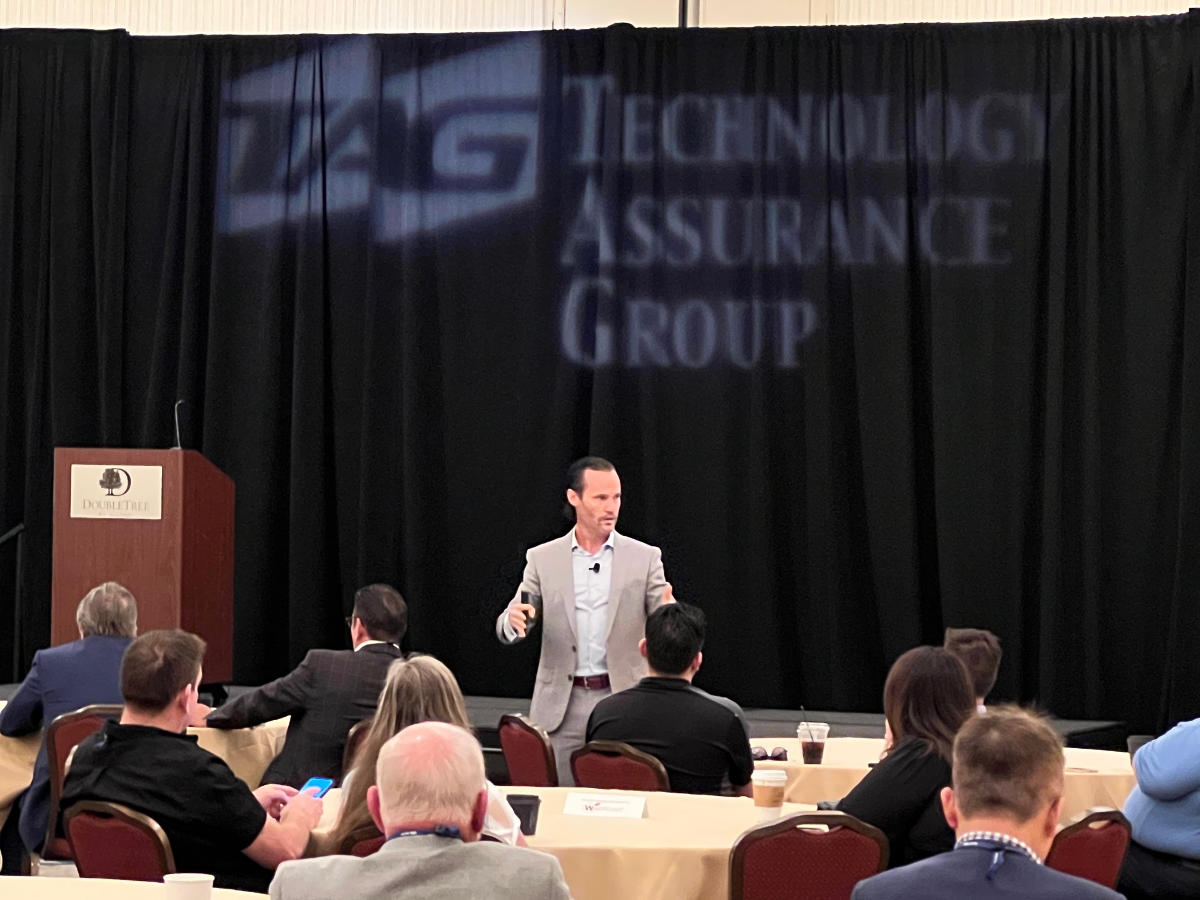
The great Peter Sheahan is giving a phenomenal keynote on 'scaling up your business' at the 21st TAG Annual Convention aka... Learn more from TAG National.
Read Full Story »
Posted in: Events & Conferences
February 10th, 2022
Scaling Up Your Business. Today is the most exciting time to be in the technology industry! TAG National helps technology providers grow through education.
Read Full Story »
Posted in: Events & Conferences
January 6th, 2022
Topics to be discussed during this session:. Introduction to MTSP Economics-Terms and Business Philosophy. Fixed Price Contracts In Telephony & Surveillance.
Read Full Story »
Posted in: Events & Conferences
December 27th, 2021
TAG's multi-step proven sales process enables Members to excel at bringing MTSP solutions to their customers profitably. Get the full story from TAG National.
Read Full Story »
Posted in: Training & Classes
October 14th, 2021
We're excited to announce that Diversant is now a TAG Strategic Partner and will be exhibiting at the TAG convention!. Get the full story from TAG National.
Read Full Story »
Posted in: Strategic Partners, Company News
September 2nd, 2021
Therefore, to ensure satisfaction in the workplace, it is crucial for management to support positive peer relationships. Get the full story from TAG National.
Read Full Story »
Posted in: Company News
August 12th, 2021
A great benefit of benchmarking is that it enhances a company's ability to learn from their immediate business environment. Discover more from TAG National.
Read Full Story »
Posted in: Company News
July 21st, 2021
In addition to setting appointments, she also acquired a myriad of prospecting, sales, marketing, and communication skills. Discover more from TAG National.
Read Full Story »
Posted in: Company News
July 15th, 2021
Lead generation has a vital role to play in any well-oiled business growth program. Learn more from TAG National about the strategies that move MSPs forward.
Read Full Story »
Posted in: MSP Business Strategy
July 7th, 2021
Trevor has an extensive 15-year background in IT, with stints as a System Administrator and as a Project Manager. Read the full article for practical guidance.
Read Full Story »
Posted in: Company News
July 6th, 2021
Advanced sales training commonly covers everything related to creating a sales plan to overcome the fear of rejection... Get the full story from TAG National.
Read Full Story »
Posted in: MSP Business Strategy, Membership Benefits
November 2nd, 2020
As a business owner, you are always looking for ways to increase your revenue. Read the full article from TAG National for practical guidance built for MSPs.
Read Full Story »
Posted in: MSP Business Strategy, Training & Classes
June 23rd, 2020
The MTSP class will be taught by Lane Smith and will cover the following topics:. Learn more from TAG National about the strategies that move MSPs forward.
Read Full Story »
Posted in: MSP Business Strategy, Training & Classes, Events & Conferences, Membership Benefits
June 8th, 2020
As our instructors, Dale Stein and Ryan Mulvany teach you to excel at bringing MTSP solutions to customers profitably. The class will go over topics like:.
Read Full Story »
Posted in: MSP Business Strategy, Training & Classes, Events & Conferences
April 24th, 2020
With our classes, you will learn how to leverage video conferencing to drive your business, and how to engage your prospective... Learn more from TAG National.
Read Full Story »
Posted in: MSP Business Strategy, Training & Classes
April 22nd, 2020
TAG Members have made significant contributions over the years to their communities and we've highlighted many of them at our conventions and MTSP meetings.
Read Full Story »
Posted in: Company News
March 12th, 2020
If your company is struggling to generate new revenue streams, then our newest class is perfect for your business. See how TAG National members apply this.
Read Full Story »
Posted in: MSP Business Strategy, Training & Classes
January 29th, 2020
At TAG, we believe that highly cooperative effort helps everyone succeed, and having passionate employees will lead to the betterment of your organization.
Read Full Story »
Posted in: MSP Business Strategy, Events & Conferences
October 22nd, 2019
TAG National is proud to announce that we will be attending Capture the Magic in Coronado, California, hosted by BTA. Get the full story from TAG National.
Read Full Story »
Posted in: Events & Conferences
September 18th, 2019
Leverage proven tactics to convert on-premises Toshiba, ShoreTel, and Mitel to cloud voice. TAG National helps technology providers grow through education.
Read Full Story »
Posted in: Training & Classes, Events & Conferences
August 15th, 2019
One of the many topics we will cover will be on setting competitive price points and cost bundling. Learn more from TAG National about growing your business.
Read Full Story »
Posted in: MSP Business Strategy
July 10th, 2019
In Newark, NJ July 11-12 we will be having our 'Analytics, Benchmarking, and Financial Management' live class taught by Tim... Learn more from TAG National.
Read Full Story »
Posted in: Training & Classes, Events & Conferences, Membership Benefits
June 10th, 2019
This event is open to dealers from across the country and will feature educational seminars, dealer panel discussions... Get the full story from TAG National.
Read Full Story »
Posted in: Events & Conferences
April 24th, 2019
On June 20th to the 21st in Chicago, IL, we will have our MTSP Operations Training. Learn more from TAG National about the strategies that move MSPs forward.
Read Full Story »
Posted in: Training & Classes
April 9th, 2019
The course is being taught by Dale Stein, and will cover the '7-Step Selling Process/Cloud Voice'. Learn more from TAG National about growing your business.
Read Full Story »
Posted in: Training & Classes
December 29th, 2018
We met some incredible people and spoke with many unique and qualified experts from all over about who we are and what we offer. Learn more from TAG National.
Read Full Story »
Posted in: MSP Business Strategy, Training & Classes, Events & Conferences, Membership Benefits
December 6th, 2018
Lane is a successful entrepreneur that brings more than 20 years of experience in leading and building profitable companies. Discover more from TAG National.
Read Full Story »
Posted in: Company News
December 4th, 2018
Gen Z, also known as the iGeneration, comprise of those born after 1995. TAG National helps technology providers grow through education and peer collaboration.
Read Full Story »
Posted in: Training & Classes
October 22nd, 2018
Each TAG Member will learn how to increase the implementation of TAG programs to maximize their capacities. Explore more member insights from TAG National.
Read Full Story »
Posted in: Training & Classes
October 2nd, 2018
And how can you apply those general tips to your specific offerings?. TAG National helps technology providers grow through education and peer collaboration.
Read Full Story »
Posted in: Strategic Partners
September 25th, 2018
We're excited to share with you a pic from the Pulsar360 Tigerpaw Software Sponsored Fishing Trip. Learn more from TAG National about growing your business.
Read Full Story »
Posted in: Events & Conferences
September 21st, 2018
Below is a list of who's presenting and their topics. Eliminate Making a Bad Hire for Forever. TAG National helps technology providers grow through education.
Read Full Story »
Posted in: Events & Conferences
August 7th, 2018
If you are an owner, president or in senior management, you'll learn how you can grow as a leader in our Leadership Bootcamp. Learn more from TAG National.
Read Full Story »
Posted in: Training & Classes
July 24th, 2018
The customer now realizes they have gaping voids in their IT network. TAG National helps technology providers grow through education and peer collaboration.
Read Full Story »
Posted in: Company News
July 16th, 2018
Ideally, you need access to a range of different teachers, each with different experiences and skills that you can learn from. Learn more from TAG National.
Read Full Story »
Posted in: Training & Classes
July 9th, 2018
David McGiffin, Telewire. Jeremy Tennery, Parker Data & Voice. Adam Anguiano, Convergent Networks. Shannon Gomes, Gateway Telnet. Learn more from TAG National.
Read Full Story »
Posted in: Events & Conferences
June 20th, 2018
Rancho Bernardo, California saw another great convention in the long history of TAG conventions. TAG National helps technology providers grow through education.
Read Full Story »
Posted in: Events & Conferences, Membership Benefits
June 14th, 2018
Brian Suerth, President of TAG, delivered a breakout session on 'How to Achieve an 85% Managed IT Services Close Ratio'. Get the full story from TAG National.
Read Full Story »
Posted in: Events & Conferences
June 10th, 2018
Each Member learns specifically what they must do to dramatically change their financial results. Learn more from TAG National about growing your business.
Read Full Story »
Posted in: Membership Benefits
May 14th, 2018
Maybe you've been really successful so far and everything is running smoothly, your business is profitable, but you still feel like there's more to be done.
Read Full Story »
Posted in: Training & Classes
March 26th, 2018
This is why we have created Strategic Teams for Advancement and Rewards (STAR Teams). Explore more member insights and business education from TAG National.
Read Full Story »
Posted in: Membership Benefits
January 25th, 2018
Professional Business Services. Our consultants can help you fine-tune your business plan, build a successful long-term strategy, and streamline operations.
Read Full Story »
Posted in: MSP Business Strategy
January 6th, 2018
Another year has come to an end here at TAG. We had an exciting 12 months, filled with STAR meetings, in-person training, and, of course, our annual convention.
Read Full Story »
Posted in: Company News
November 23rd, 2017
Our Alpha, Beta, Gamma, and Omega teams consist of 12-15 TAG Members each that meet four times a year across different parts... Learn more from TAG National.
Read Full Story »
Posted in: Events & Conferences
September 27th, 2017
The management team at TAG works tirelessly to bring its members the best networking events and classes available. See how TAG National members apply this.
Read Full Story »
Posted in: Company News
September 12th, 2017
In our last few blog posts we focused on the many things our Members can learn from our seminars, partner training, workshops, conferences, and each other.
Read Full Story »
Posted in: Membership Benefits
July 28th, 2017
The boot camp was designed to help young leaders from among our Members who are interested in becoming successors someday. Discover more from TAG National.
Read Full Story »
Posted in: Events & Conferences, Company News
July 3rd, 2017
Last month we focused on different training and webinar sessions that we offer our Members. TAG National helps technology providers grow through education.
Read Full Story »
Posted in: Training & Classes, Membership Benefits
May 11th, 2017
We want our Members to be more profitable. That means more than just increasing sales and improving marketing. Read the full article for practical guidance.
Read Full Story »
Posted in: Training & Classes, Membership Benefits
April 24th, 2017
We had a great time with the TAG Convention in Houston and would like to thank everyone for coming out to this event. Get the full story from TAG National.
Read Full Story »
Posted in: Events & Conferences
March 12th, 2017
While many of our Members bring their own marketing experiences and know-how to the TAG network, its a fact that on their own... Learn more from TAG National.
Read Full Story »
Posted in: MSP Business Strategy, Training & Classes, Membership Benefits
February 23rd, 2017
In the beginning, but especially as you look to grow your business, every assistance is welcome. TAG National helps technology providers grow through education.
Read Full Story »
Posted in: Membership Benefits, Strategic Partners
January 10th, 2017
At TAG, we believe education about how to better focus on customer advocacy and relationships is one of the best ways... Get the full story from TAG National.
Read Full Story »
Posted in: MSP Business Strategy
December 6th, 2016
Through our STAR teams, members can share their unique experiences and knowledge to the benefit of the entire team. See how TAG National members apply this.
Read Full Story »
Posted in: Membership Benefits
November 4th, 2016
When you're looking to join a partnership network such as TAG, you're looking for more than a simple sales benefit. See how TAG National members apply this.
Read Full Story »
Posted in: Company News
October 4th, 2016
Small or large businesses, it is still the same problem - negotiation power. This is where a larger group can help you with leverage, support, and savings.
Read Full Story »
Posted in: MSP Business Strategy
September 10th, 2016
It's color-coded for your convenience by location. Take advantage of the great opportunities out there and plan ahead. Get the full story from TAG National.
Read Full Story »
Posted in: MSP Business Strategy, Membership Benefits
August 17th, 2016
Whether you are looking for a way to train employees in a live classroom or remote setting, we can assist you. Read the full article for practical guidance.
Read Full Story »
Posted in: Training & Classes
July 3rd, 2016
How are TAG members elite? TAG members assure that their customers obtain the latest information solutions out there. Get the full story from TAG National.
Read Full Story »
Posted in: Membership Benefits
June 10th, 2016
This allows them to share strategies and occasionally collaborate on projects. Read the full article from TAG National for practical guidance built for MSPs.
Read Full Story »
Posted in: MSP Business Strategy, Membership Benefits
May 15th, 2016
TAG members receive the best deals in the marketplace from our ever-growing list of preferred providers. See how TAG members apply these ideas in practice.
Read Full Story »
Posted in: Membership Benefits
May 5th, 2016
Your ability to effectively lead your millennials, while creating an environment for them to thrive will help you position your company for long term growth.
Read Full Story »
Posted in: Training & Classes, Events & Conferences
March 8th, 2016
With this in mind, we are proud to announce the formation of a strategic partnership between TAG and nGenx in February, 2016. Learn more from TAG National.
Read Full Story »
Posted in: Strategic Partners
January 22nd, 2016
The 16th Annual TAG Convention is coming up on April 3rd-6th 2016 in Chicago, Illinois. Explore more member insights and business education from TAG National.
Read Full Story »
Posted in: Events & Conferences, Membership Benefits
December 5th, 2015
We have 6 new members coming in this month and next from both IT and telecommunications companies. Learn more from TAG National about growing your business.
Read Full Story »
Posted in: Membership Benefits
November 7th, 2015
Brian Suerth will be teaching the '7-Step Selling Process' class on December 3rd and 4th at 8:30 am. Learn more from TAG National about growing your business.
Read Full Story »
Posted in: Events & Conferences
October 3rd, 2015
On Wednesday, October 21st, we are having a course which will provide you with all you need to know about the Current Technology Assurance Program (C-TAP).
Read Full Story »
Posted in: Training & Classes
September 15th, 2015
On September 17th and 18th TAG will be hosting a live event in Dallas, Texas. The financial class will examine the fundamentals of system integrator economics.
Read Full Story »
Posted in: Events & Conferences
August 10th, 2015
TAG offers 2 different types of training. We have live training and remote training. Explore more member insights and business education from TAG National.
Read Full Story »
Posted in: Training & Classes
July 14th, 2015
TAG partners with leading companies to provide our members with superior quality, service, and customer satisfaction. Get the full story from TAG National.
Read Full Story »
Posted in: Membership Benefits
June 5th, 2015
Diversified Recurring Revenue Streams. Telecommunications, AV and Surveillance. Managed IT and Managed Print Services. Employee Productivity and Retention.
Read Full Story »
Posted in: Membership Benefits
May 18th, 2015
Strategic Partners Recommendations from trusted peers are always welcome when looking for new services to support your business. Learn more from TAG National.
Read Full Story »
Posted in: Company News
April 7th, 2015
TAG's ultimate gathering will be in Savannah, Georgia at the Hyatt Regency Savannah. Explore more member insights and business education from TAG National.
Read Full Story »
Posted in: Events & Conferences
March 20th, 2015
Dale Stein Presents Webinar, 'Targeting the Right MSP Audience & Making an Impact on the Decision Maker,' on Tuesday, March 24... Learn more from TAG National.
Read Full Story »
Posted in: Events & Conferences
March 3rd, 2015
We also have a new webinar 'Finding and Attracting and Creating a Top Performing Intern' which will be held on March 12th and 26th and will be taught by Zack.
Read Full Story »
Posted in: Events & Conferences
February 16th, 2015
TAG only wants to provide its members with the best quality, service, and customer satisfaction. TAG National helps technology providers grow through education.
Read Full Story »
Posted in: Membership Benefits
December 30th, 2014
Technology Assurance Group is an organization of the leading unified communications companies in North America. Read the full article for practical guidance.
Read Full Story »
Posted in: MSP Business Strategy, Membership Benefits
December 6th, 2014
TAG mobilizes the tremendous buying power of its Membership to rapidly boost their profit margins. Learn more from TAG National about growing your business.
Read Full Story »
Posted in: MSP Business Strategy, Membership Benefits
November 3rd, 2014
Attracting new customers is tremendously more costly to any business than finding solutions for current customers. See how TAG National members apply this.
Read Full Story »
Posted in: MSP Business Strategy
October 7th, 2014
Marketing is a critical function of every business and could mean the difference between success or failure. Explore more member insights from TAG National.
Read Full Story »
Posted in: Membership Benefits
September 10th, 2014
Additionally, we will spend time thoroughly understanding the value of Managed IT Services to end users and how to incorporate them into the C-TAP program.
Read Full Story »
Posted in: Training & Classes
August 19th, 2014
TAG offers live training and remote training on a wide range of topics including customer advocacy training, financial management, and managed data solutions.
Read Full Story »
Posted in: Training & Classes
July 22nd, 2014
One of TAG's many member advantages is the Current Technology Assurance Plan. Read the full article from TAG National for practical guidance built for MSPs.
Read Full Story »
Posted in: Membership Benefits
July 1st, 2014
To give you an idea, each member is provided with in-depth financial analysis. They learn what they must specifically do to change their financial results.
Read Full Story »
Posted in: Membership Benefits
May 9th, 2014
TAG'S ultimate goal is to increase your sales and profits through education and to ease your introduction of new technology... Learn more from TAG National.
Read Full Story »
Posted in: Membership Benefits
April 6th, 2014
Peter is known internationally for inspiring innovative business thinking and creating lasting behavior change. Read the full article for practical guidance.
Read Full Story »
Posted in: Events & Conferences
January 31st, 2014
This one-on-one time with members is an enriching experience perfectly tailored to each company's unique abilities and strengths. Learn more from TAG National.
Read Full Story »
Posted in: MSP Business Strategy, Events & Conferences
January 23rd, 2014
Customers don't want to go to one place for voice, then another for IT, and another for AV, and another for security, and so on. Learn more from TAG National.
Read Full Story »
Posted in: MSP Business Strategy
December 9th, 2013
During this valuable event, Members interact and build strong relationships with their colleagues from the U.S. Read the full article for practical guidance.
Read Full Story »
Posted in: Events & Conferences